Traditional education, which focused on imparting factual knowledge and offering proven solutions to established problems, was effective when the main goal of schooling was to prepare students for the industrial economy. However, this method is no longer engaging or motivating for today's children, nor is it adequate for helping them thrive in the modern digital age.
Bridging the gap between what students are taught and the skills they need to thrive in a rapidly evolving, technology-driven world has become a pressing concern for policymakers globally. The Learning and Work Institute warns that, in England alone, the economic impact of a mismatch between skill demand and supply could reach approximately $120 billion by 2030.
We are always on the lookut for new partners and organizers who share our vision of transforming education and improving learning outcomes for students. Get in touch with us if you are involved or interested:
According to the World Economic Forum, many of today's students will work in jobs that do not yet exist. Still, it is already clear that tech savvy is far from being the only skill they will need in the future. The society of Human Resource Management has found that soft skills such as problem-solving, critical thinking and creativity are the top qualities employers miss in today's job applicants, regardless of industry or job type.
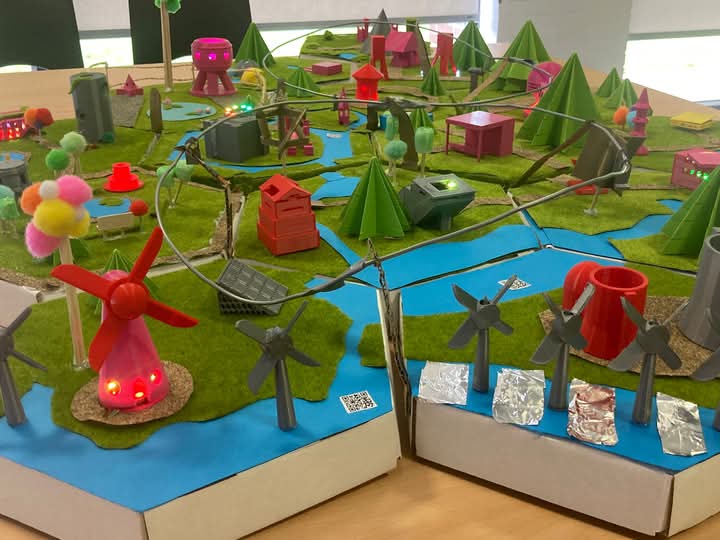
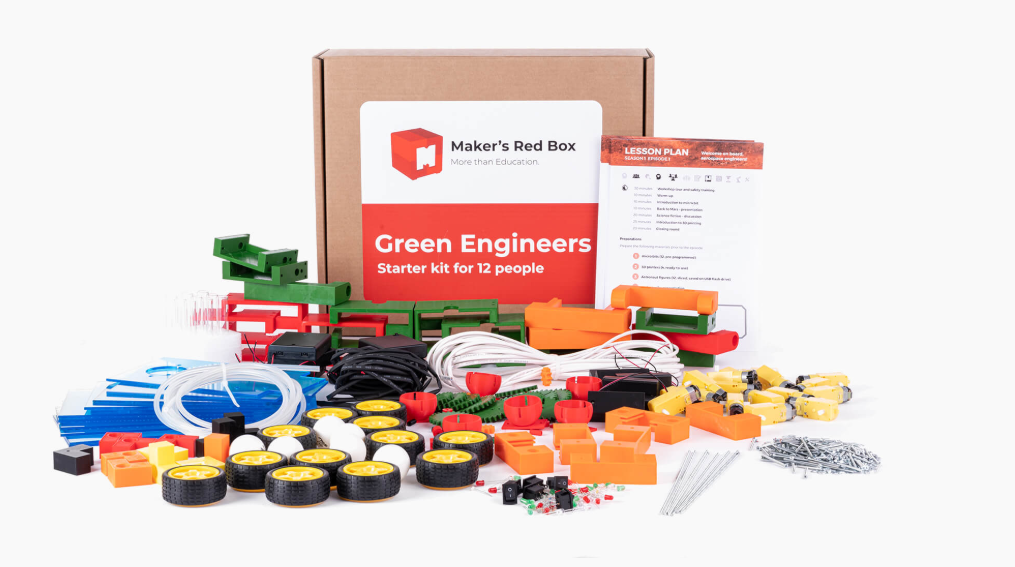
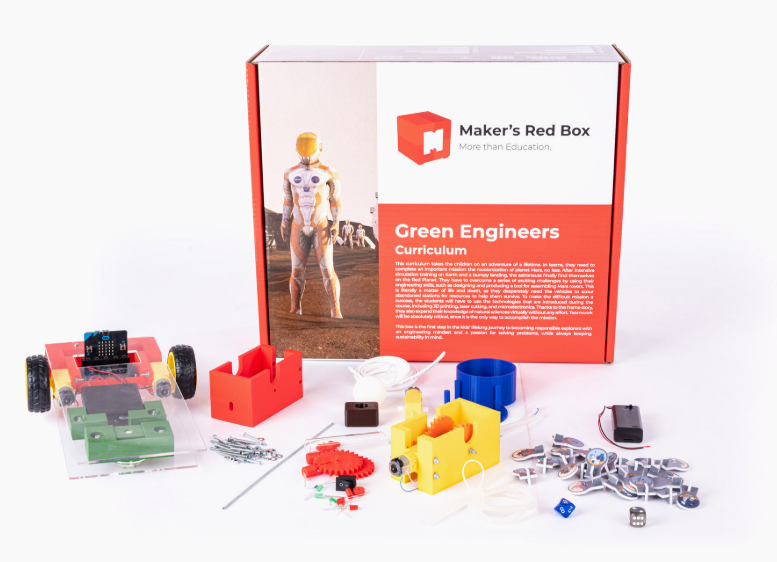
Maker's Red Box programmes foster and inquiry-based learninng and motivate children to find solutions using a mix of traditional crafts and digital technology by working together to aarchieve a larger goal. Building 3D printed cities, embarking on expedition to learn about climate change, and designing Mars rovers give them a stronger drive to succeed a greater awareness of their enviroment and a deeper understanding of the course material than any other form of instruction.
At the same time, team-based, hands-on creation challenges them to apply the essential four C's of the 21st century critical thinking, creativity, collaboration and communication. Not only that, it also prepares them to become productive members of a global workforce and society, one where cross-border cooperation, understanding cultural diversity and using technology to connect with and learn from each other are absolute necessities.